

Why Iron Deficiency Matters?
What if I told you that one of the most common reasons people feel exhausted, foggy, and weaker than usual isn’t because they’re getting older… or because they need more sleep… or because “life is just stressful right now”?
What if the real problem was something happening quietly, deep inside your blood — something that doesn’t make a lot of noise at first, but slowly drains your energy over time?
Is this happening to you?
Are you feeling this way?
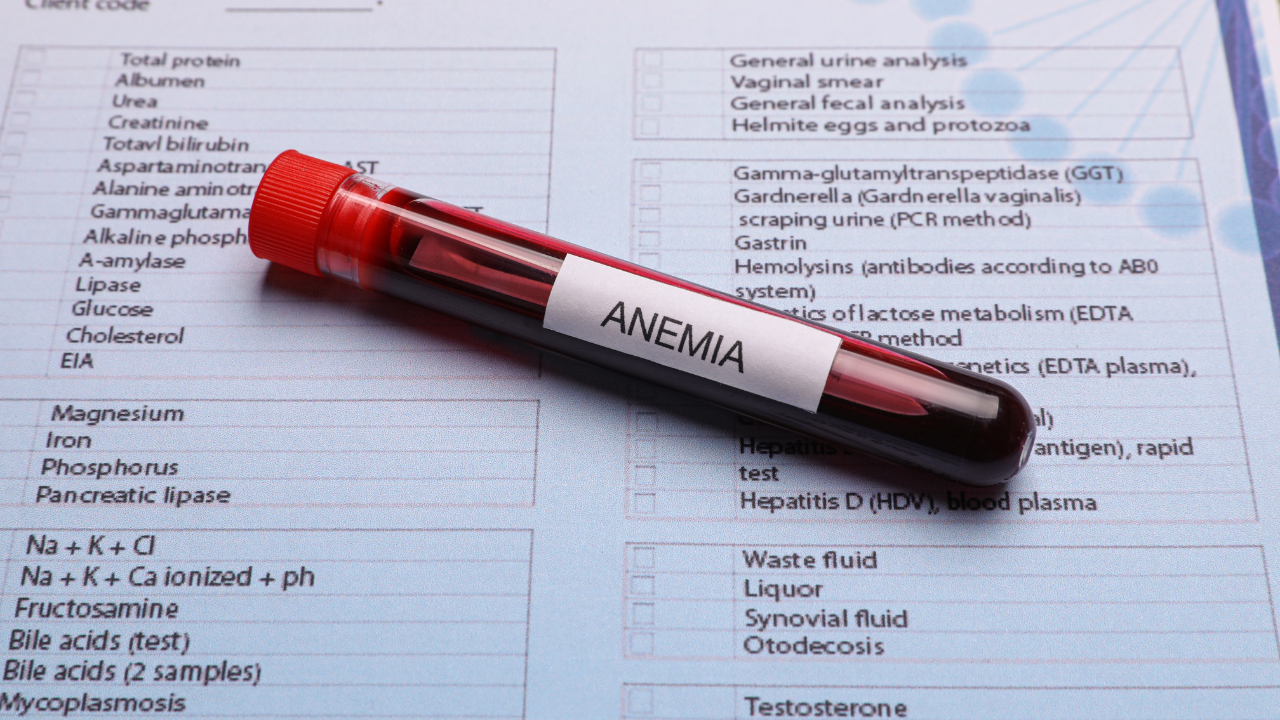
Does your blood test show low hemoglobin and ferritin levels.
The culprit is iron deficiency anemia.
Here’s the part that’s both important and a little scary.
Iron deficiency is the most common nutritional deficiency worldwide. It affects people of all ages — men, women, teenagers, children, and older adults. It doesn’t care if you’re fit, healthy, or “doing everything right.” It can sneak up quietly, making you feel like you’re just “off” — until one day, it’s undeniable.
Why does this matter so much?
Because iron deficiency isn’t just about a number on a lab report. Iron plays a crucial role in how your body works. Low iron doesn’t just make you tired. It can affect your ability to think clearly, your heart’s ability to work efficiently, your muscles’ ability to get oxygen, and even your mood.
And most importantly — iron deficiency is rarely random. There’s almost always a reason it’s happening. Which means if you catch it early and treat the cause, you can absolutely turn things around.
What Iron Deficiency Anemia Is?
Let’s break this down in plain language.
Iron is like the engine that keeps your red blood cells working. Your red blood cells carry hemoglobin — the protein that picks up oxygen in your lungs and delivers it to every single cell in your body. Imagine a fleet of trucks carrying oxygen packages. Iron is what powers those trucks.
When you don’t have enough iron:
- Your body can’t build enough healthy red blood cells.
- The red blood cells you do have can’t carry enough oxygen.
- Your organs and tissues are essentially running on low power.
That’s why iron deficiency anemia often shows up as:
- Fatigue that doesn’t improve with rest.
- Brain fog and trouble concentrating.
- Dizziness or feeling faint.
- Shortness of breath, especially with minimal activity.
- Cold hands and feet.
- Pale skin, brittle nails, sometimes hair loss.
Some people also notice things like a rapid heartbeat or headaches. For others, the symptoms are subtle at first — they might think they’re just “a little more tired than usual.”
Here’s what makes this tricky: iron deficiency anemia isn’t a disease on its own. It’s a signal — a sign that something underneath is causing your iron to drop. If you just take iron supplements without figuring out why it’s happening, it’s like putting air in a tire with a nail still in it. You might feel better for a bit, but the problem will come back. You and your health care provider need to figure out why your iron is low!
How Iron Deficiency Happens!
There are several ways people can become iron deficient. I like to remember them with a simple acronym: L.I.F.E.
- L — Loss of blood
- I — Insufficient intake
- F — Failure of absorption
- E — Elevated demand or chronic inflammation
Let’s unpack each one.
1.Loss of Blood

This is the most common cause in adults.
Think of your iron like money in a savings account. Every time you lose blood, you make a withdrawal. Over time, even small, repeated withdrawals can leave your account empty.
For many women, heavy menstrual bleeding is the biggest source of iron loss. Conditions like fibroids, endometriosis, or hormonal imbalances can make periods heavier than normal. A lot of people normalize this — “I’ve always had heavy periods” — without realizing that month after month, year after year, they’re losing iron faster than they can replace it.
But blood loss isn’t always obvious. Some people lose blood slowly and silently from their gastrointestinal tract. This can be caused by stomach ulcers, colon polyps, inflammatory conditions, or even cancers. Sometimes it’s something as “simple” as a daily aspirin or NSAID irritating the stomach lining over years.
Even small, invisible amounts of bleeding — the kind you don’t see — can lead to iron deficiency over time. So what looks like “I’m just tired lately” may be a slow leak.
2.Insufficient Intake
Some people don’t lose iron… they just don’t get enough of it in their diet.
Iron comes in two main forms:
- Heme iron, found in meat, poultry, and fish, which is absorbed easily.
- Non-heme iron, found in plant foods like beans, lentils, leafy greens, and fortified cereals, which is absorbed less efficiently.
People with limited diets, restrictive eating patterns, or low access to iron-rich foods are at higher risk. This is also common among teenagers and young adults who skip meals or rely heavily on processed foods.
Even vegetarians and vegans can meet their iron needs — but it takes intentional planning. Without it, the body simply doesn’t get enough raw material to make healthy red blood cells.
3.Failure of Absorption
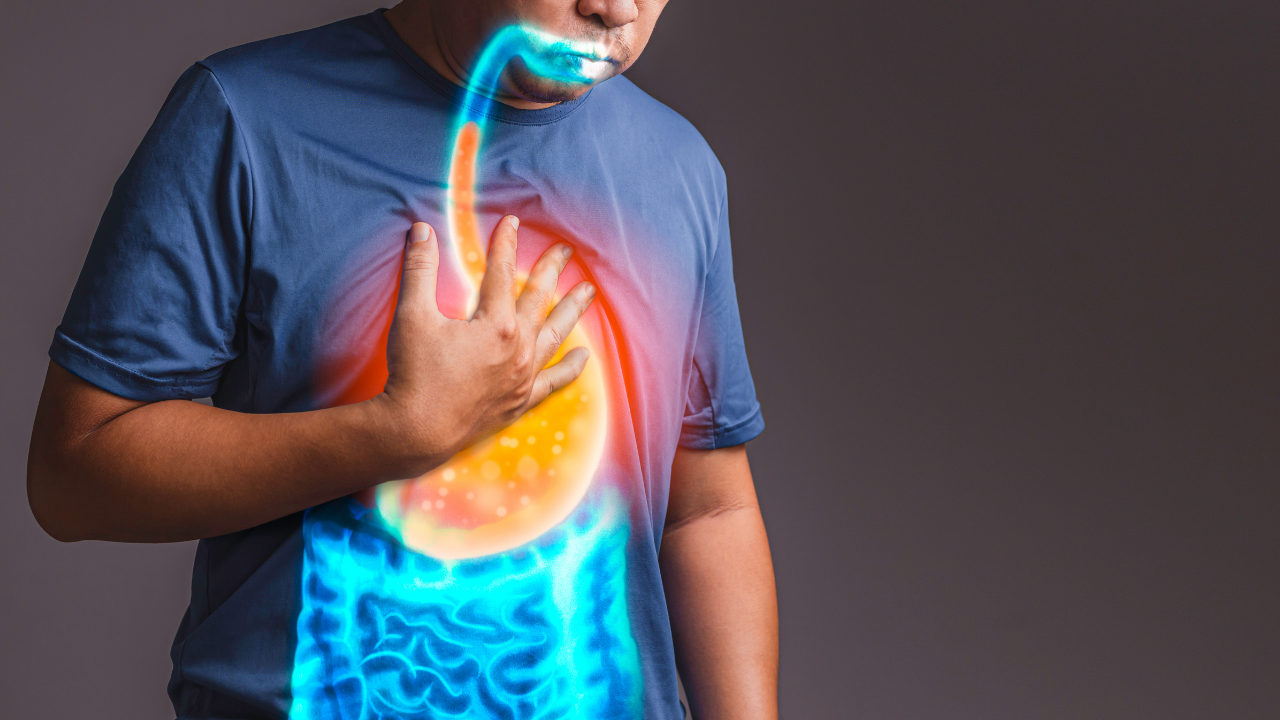
This is when you’re eating enough iron — but your body can’t absorb it properly.
Iron is absorbed mostly in the duodenum, the upper part of the small intestine. If that area is damaged, bypassed, or inflamed, absorption can drop dramatically.
This happens in conditions like celiac disease, inflammatory bowel disease, or after gastric bypass surgery. Even something as common as long-term use of acid-suppressing medications can reduce iron absorption, because stomach acid helps the body take up iron. Examples of these medications are Omeprazole, Pantoprazole commonly referred to as proton pump inhibitors.
4.Elevated Demand
Sometimes, your iron levels drop not because of loss or poor absorption, but because your body needs more iron than usual.
This can happen during pregnancy, adolescence, and growth spurts. It can also happen in athletes who push their bodies hard or in people recovering from surgery, illness, or trauma.
It’s like a construction site that suddenly needs double the bricks. If you don’t increase the supply, you run out of materials fast.
This is why iron deficiency is common in pregnant people — the body is building more blood, supporting a growing baby, and the demand skyrockets.
5.Chronic Inflammation (Functional Deficiency)
The last pathway is a bit more complex. Sometimes your body has iron — but it refuses to let it go.
When there’s chronic inflammation, as in chronic kidney disease, rheumatoid arthritis, long-term infections, or cancer, the body increases a hormone called hepcidin. Hepcidin basically acts like a guard, locking up iron so it can’t be used.
The body does this to keep iron away from bacteria, but the side effect is that your red blood cells can’t get what they need. So your ferritin might be “normal,” but your functional iron is low. This is called functional iron deficiency.
This is why iron deficiency isn’t just solved by popping a pill. Sometimes, the real key is treating the underlying inflammation or disease.
What You Can Do About It?
So now you understand why iron deficiency matters, what it is, and how it happens.
The next step is what to do now.
Here are practical, actionable steps anyone can start with:
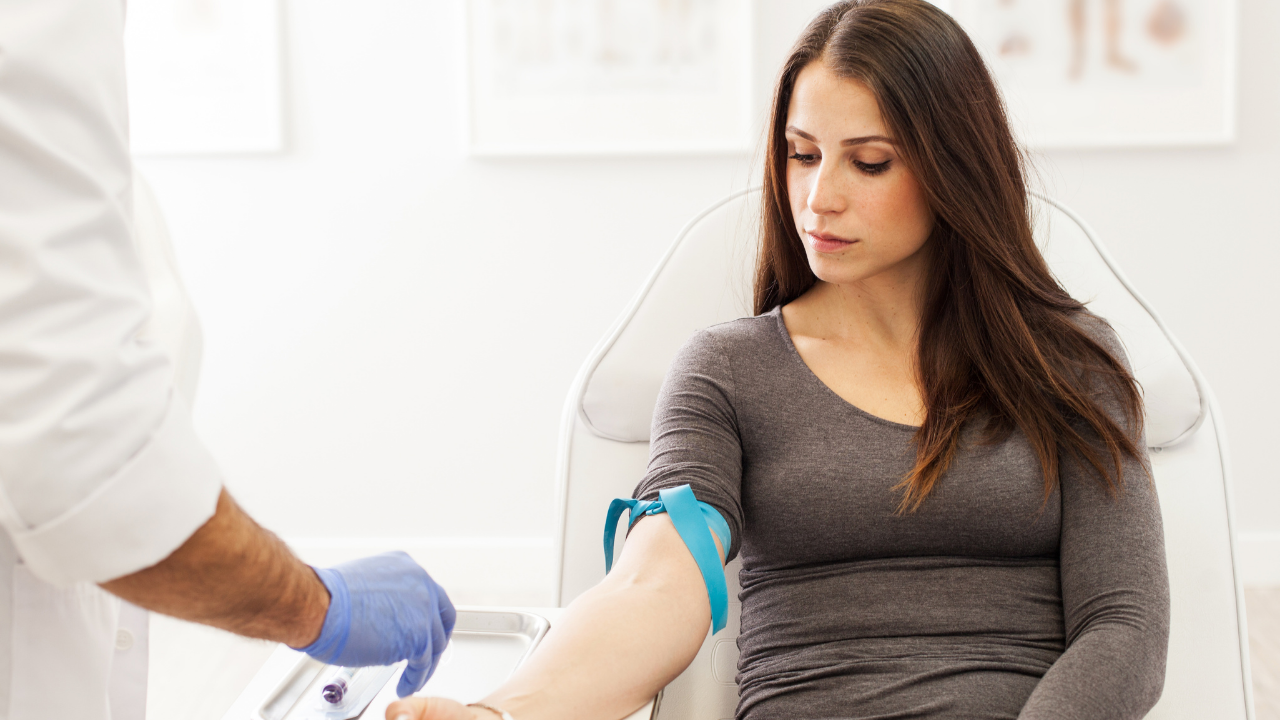
1.Get tested — don’t guess.
If you’ve been tired for weeks or months and can’t explain it, ask your doctor about testing for iron deficiency.
A basic blood test — including hemoglobin, ferritin, and iron studies — can reveal a lot. If it’s low, the next step isn’t just taking supplements, it’s figuring out why.
2.Listen to your story.
Sometimes the clues are in your daily life:
- Are your periods heavy or changing?
- Do you have any GI symptoms — abdominal pain, black stools, bloating, heartburn?
- Are you on long-term medications like NSAIDs or acid suppressors?
- Are you pregnant or recovering from illness?
These clues help your doctor find the root cause quickly.
3.Make smart nutrition moves.
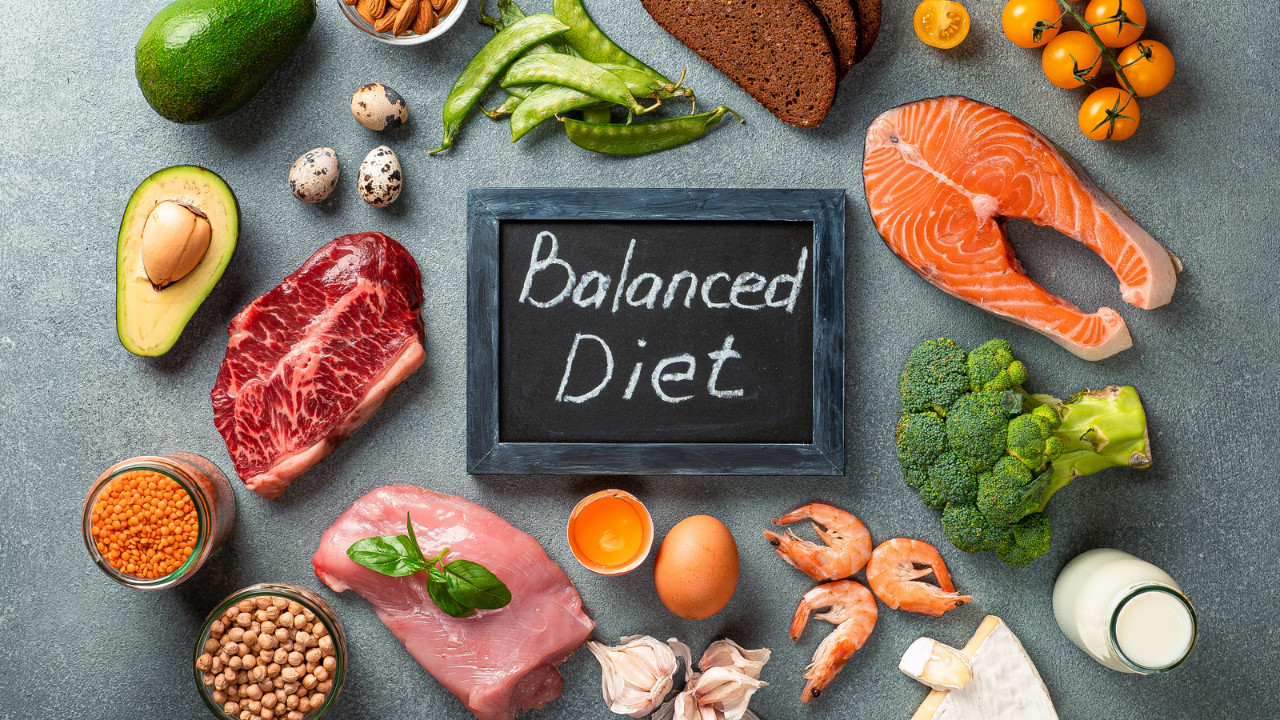
Even if you need medical treatment, nutrition is a great support:
- Add iron-rich foods like lean meats, chicken, fish, beans, lentils, tofu, spinach, and fortified cereals.
- Pair iron-rich foods with something high in vitamin C — like citrus fruits, bell peppers, or tomatoes — to boost absorption.
- Try not to take iron with coffee or tea, which can block absorption.
This isn’t about changing your entire diet overnight. It’s about making one or two small, smart adjustments that support your body.
4.Treat the cause, not just the number.
If iron is low, the real question is: why?
Maybe it’s heavy bleeding, an ulcer, poor absorption, or something else. Addressing the root cause prevents the problem from coming back again.
5.Follow up.
Iron deficiency can take weeks to months to fully correct. Following up ensures your iron stores are truly replenished and not just temporarily boosted.
Here’s your simple takeaway:
- Why: Iron deficiency drains your energy and signals something deeper may be going on.
- What: It’s when your body lacks the iron it needs to make oxygen-carrying red blood cells.
- How: It happens through blood loss, low intake, poor absorption, increased demand, or chronic inflammation.
- Now: Get tested. Look for the cause. Make small, practical changes. Treat the root cause, not just the lab number.
Iron deficiency anemia is fixable. And the earlier it’s caught, the easier it is to treat.
If this article helped you understand iron deficiency better, I’d love for you to like it, share it.
See entire YT video here