



This article will break down what Xarelto is, how it works, what conditions it’s used for, and what side effects you need to watch out for.
1.What Is Xarelto?
Xarelto — also known by its generic name Rivaroxaban — is a medication that helps prevent your blood from forming dangerous clots.
It belongs to a group of drugs called anticoagulants — literally meaning “against clotting.”
Now, blood clots aren’t always bad. If you cut your hand, you want your blood to clot and stop the bleeding.
But sometimes, clots form inside your veins or arteries — where they shouldn’t — and that can cause serious problems.
If a clot forms in your leg, that’s called a DVT — deep vein thrombosis.
If it breaks off and travels to your lungs, that’s called a pulmonary embolism, or PE.
And if a clot forms in your heart or travels to your brain, it can cause a stroke.
That’s where Xarelto comes in. Xarelto is a drug that can thin your blood to prevent and treat blood clots.
2.How Does Xarelto Work?
 To understand that, imagine your blood clotting system as a long chain of dominos — one protein activates the next, and the next, until a clot forms.
Xarelto works by blocking one of the key dominos — a protein called Factor Xa.
By blocking Factor Xa, Xarelto slows down the clotting process — it doesn’t “thin” your blood in the literal sense, but it makes it less likely for those dangerous clots to form.
And unlike older blood thinners such as warfarin, you don’t need regular blood tests or strict diet changes.
3.What Conditions Is Xarelto Used For?
Xarelto is used for several different conditions — let’s go through the main ones one by one.
a)Preventing Stroke in Atrial Fibrillation
If you have atrial fibrillation, or AFib, your heart doesn’t beat in a regular rhythm.
That irregular motion allows blood to pool and form clots.
If one of those clots travels to the brain, it can cause a stroke.
Xarelto helps prevent that by stopping clots before they form.
So, in people with non-valvular atrial fibrillation, Xarelto reduces the risk of stroke and other clot-related problems.
b)Treating and Preventing DVT and PE
The next big use is for deep vein thrombosis and pulmonary embolism.
Let’s say you’ve just had surgery, or maybe you’ve been sitting for long periods — like on a long flight — and you develop pain and swelling in your leg.
That might be a DVT — a clot in one of your deep leg veins.
If that clot travels up to your lungs, it becomes a pulmonary embolism — a potentially life-threatening condition.
Xarelto can treat both of these and prevent them from happening again.
c)After Hip or Knee Replacement Surgery
If you’ve ever had a hip or knee replacement, your surgeon might prescribe Xarelto for a few weeks after surgery.
That’s because surgery — especially orthopedic surgery — increases your risk of clots forming in your legs.
Xarelto helps lower that risk while your body heals and you become mobile again.
d)For Certain Heart and Vascular Conditions
Xarelto is also used, sometimes in combination with low-dose aspirin, in people who have coronary artery disease or peripheral artery disease.
In these patients, it helps reduce the risk of heart attack, stroke, or blood flow problems to the legs.
e)Side Effects — What to Watch For
Now, no medication is without risks — and with Xarelto, the most important one to understand is bleeding.
Because Xarelto interferes with clot formation, it can make you more prone to bleeding.
That doesn’t mean you’ll bleed spontaneously for no reason, but it does mean even small cuts may take longer to stop.
And some types of bleeding can be serious.
Let’s break this down:
Minor bleeding

This includes:
- Nosebleeds
- Bleeding gums when brushing
- Easy bruising
- Occasional heavier menstrual bleeding
These are fairly common and often not dangerous. But still, tell your doctor if they become frequent or severe.
More serious bleeding
Now here’s where you need to be vigilant.
If you notice:
- Vomiting blood or material that looks like coffee grounds
- Black, tarry, or bloody stools
- Pink or red urine
- Severe headaches or dizziness
- Weakness, numbness, or difficulty speaking
The last symptoms mentioned in rarer cases in can cause bleeding around the spine. This is called spinal or epidural hematoma.
These are medical emergencies — call 911 or go to the ER immediately.

Other less common side effects include nausea, stomach pain, muscle pain, insomnia, itchy skin or fatigue.
Most people tolerate Xarelto well, but any new or concerning symptom should be checked out.
5.How to Take Xarelto Safely
Let’s talk about how to use it correctly, because how you take Xarelto matters as much as why you take it.
Xarelto comes in different doses — 2.5 mg, 10 mg, 15 mg, and 20 mg tablets — depending on your condition.
Some doses are taken once daily, others twice daily, and some, especially the higher doses must be taken with food to help your body absorb it properly.
So always, always follow the directions your doctor gives you — not what you might find online, not what your neighbor takes — your dose is personalized for you.
6.Interactions You Should Know About
This part often gets overlooked.
Xarelto can interact with other medications, over-the-counter drugs, and even supplements. I have listed the main culprits below.
The biggest culprits are:
- Other blood thinners, like aspirin, Plavix, or heparin
- NSAIDs such as ibuprofen, naproxen, or Diclofenac — these can increase bleeding risk
- Certain anti-fungal drugs, like Ketoconazole
- Some seizure medications, such as carbamazepine or phenytoin
- Certain antibiotics like Clarithromycin or rifampin
Even herbal supplements like St. John’s wort can interfere with how Xarelto is metabolized.
7.What About Diet?

One of the big advantages of Xarelto compared to warfarin (another blood thinner) is that it doesn’t require dietary restrictions.
You don’t have to avoid leafy greens or vitamin K–rich foods like spinach or kale.
That said, there are a few things to keep in mind.
Avoid grapefruit and grapefruit juice — they can slightly increase Xarelto levels in your blood, though not as dramatically as they do with some other medications.
And limit alcohol — heavy drinking can increase your bleeding risk.
8.Before Surgery or Dental Work
This is a really important one that people forget.
If you’re having any kind of surgery, dental extraction, or even a colonoscopy, you must tell your doctor or dentist that you’re on Xarelto.
You may need to stop it temporarily before the procedure to lower your bleeding risk.
Never stop it on your own, though — because suddenly stopping can cause clots to form again.
Your doctor will tell you exactly when to stop and when to restart it afterward.
9.Kidney and Liver Function
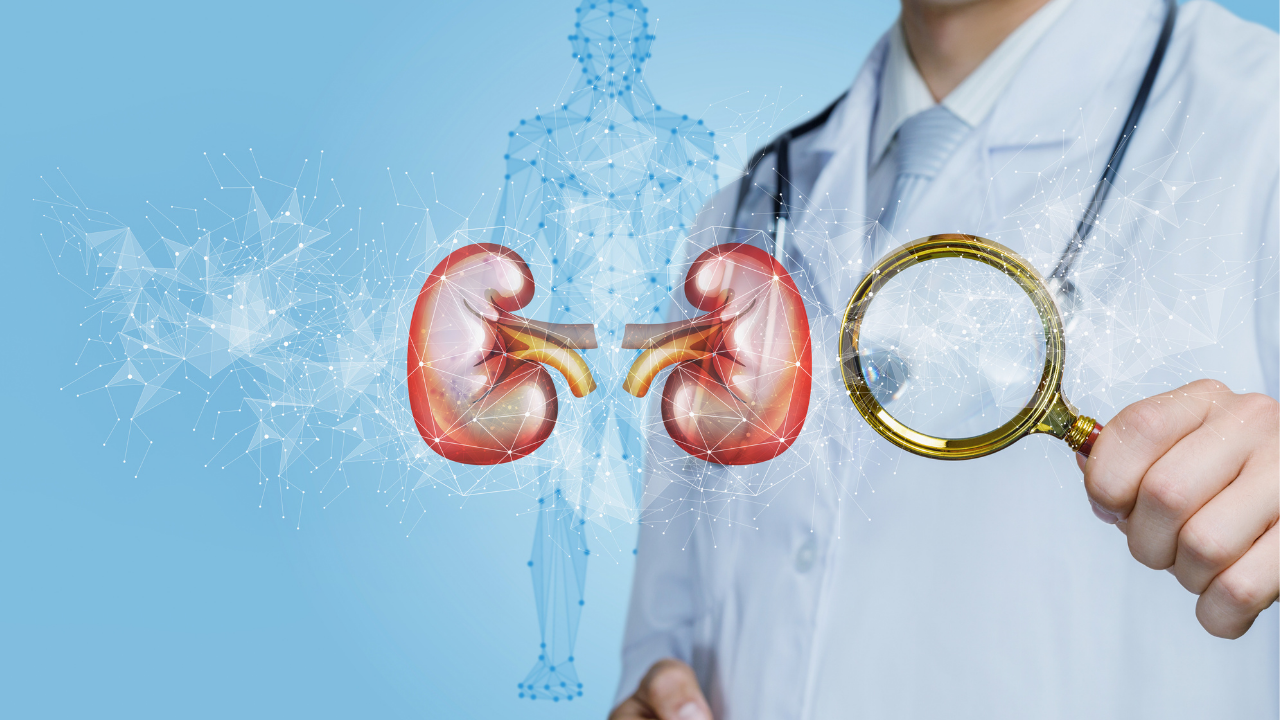 Xarelto is processed through both your kidneys and liver, so your doctor will check your bloodwork before and during treatment.
If your kidney function is reduced, your dose may need to be adjusted, or sometimes another anticoagulant may be safer.
If you have significant liver disease, Xarelto might not be the best choice, since your liver helps metabolize the drug.
10.Special Situations: Pregnancy and Breastfeeding
 If you’re pregnant, planning to become pregnant, or breastfeeding, let your doctor know before taking Xarelto.
There isn’t enough data yet to know if it’s completely safe during pregnancy or while nursing.
Other anticoagulants, like heparin, may be preferred in these cases.
Here are the 7 most frequently asked questions about Xarelto!!
1.What Happens If You Stop Taking It Suddenly?
This is one of the biggest dangers I see.
Some people stop taking Xarelto because they feel fine, or because they ran out, or they’re worried about bleeding.
But stopping suddenly can increase your risk of having a clot or stroke.
So never stop without talking to your doctor.
2.How Long Do You Need to Take Xarelto?
It depends on why you’re taking it.
If you had a DVT or PE after surgery, you might only need it for a few months.
If you have atrial fibrillation, you might need to stay on it long-term.
In peripheral artery disease or coronary artery disease, the goal is usually long-term prevention too — but with lower doses.
Your health care provider will personalize your plan based on your risk factors.
3.Is Eliquis the same as Xarelto?
No. Eliquis is a different medication. Yes, both are blood thinners, they both work by inhibiting factor Xa and both do treat conditions such as atrial fibrillation, deep vein thrombosis and pulmonary embolism. Note dosing is different, therefore always be vigilant about the dose and frequency of your prescription drug.
4.Do I need a blood test every month?
.

No — that’s one of the major advantages over warfarin. Routine INR checks, which are needed for warfarin, aren’t needed. However, your health care provider might occasionally test your complete blood count to monitor your hemoglobin.
5.Can I take it at night?
Yes — you can take it morning or evening but stick to the same time every day. Consistency helps maintain steady levels.
6.Which foods should I avoid?
- You should avoid grapefruit and grapefruit juice while taking Xarelto, as they can increase the risk of side effects.
- Alcohol can also increase the risk of bleeding, so it’s best to limit your alcohol consumption.
7.How long does it take for Xarelto to reach its full thinning effect?
It takes this medication about 2-4 hours to reach its full blood thinning effect. It can leave your system in about 24 hours.
You can check the entire YT video here.
Sources: