

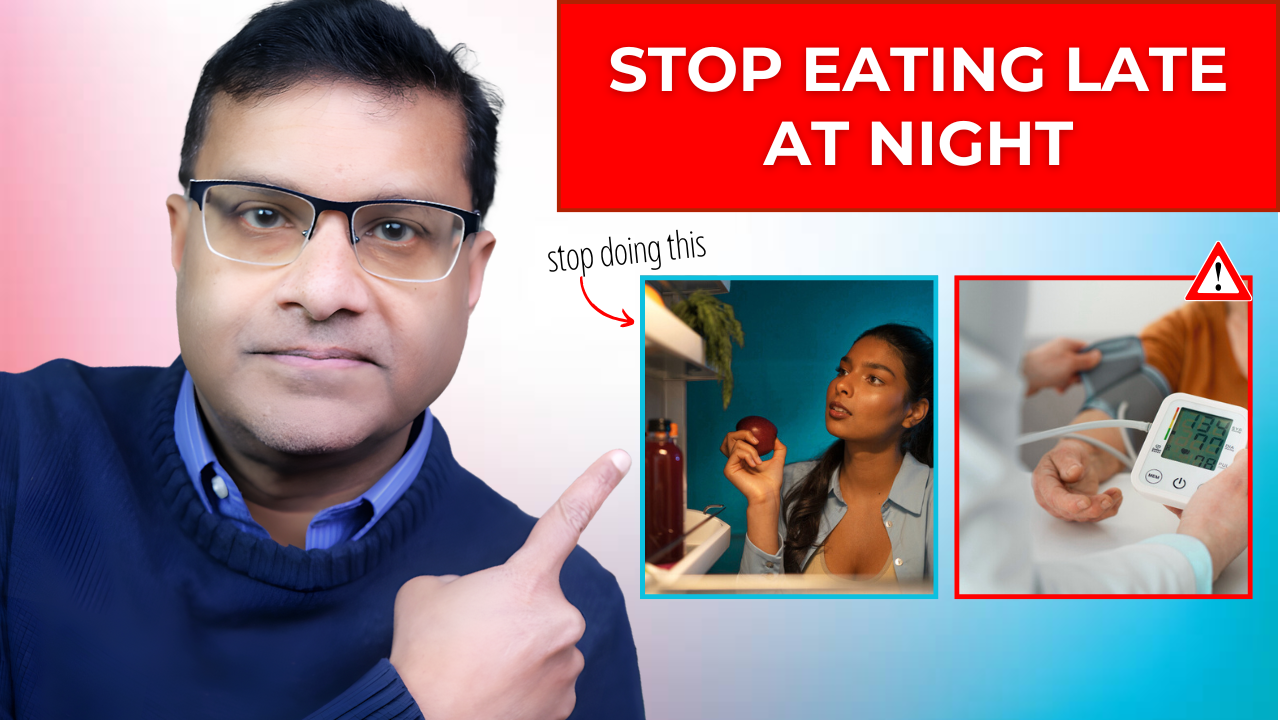
Do you enjoy a light night snack?
Most people do this every single night — and it silently raises their blood pressure without them realizing it.
The Real Reason You’re Here
Let me start by asking you something,
and I want you to be completely honest
with yourself — not with me, but with yourself.
Do you ever eat something late at night?
It could be anything.
A bowl of crackers.
A small dessert.
A bit of fruit. Some leftovers you didn’t want to waste.
A snack while watching TV.
If you said yes, you’re not alone. You’re human.
And this is one of the most common patterns I see — especially in adults who are genuinely trying to take care of their health.
I am an offender as well.
An inner voice says:
You had a hard and long day .
Just 1-2 snacks.
That won’t hurt right.
And here’s the part that creates conflict inside of you — and I know because I hear this from patients all the time. You might say:
“Dr. John, I’m doing everything right. I’m walking. I’m eating better.
I’m taking my medications. I’m cutting salt.
I’m trying. But my blood pressure still goes up at night.
Or my morning number is still high. Why?”
And I want to tell you something right now, because I know this frustrates people and makes them feel defeated:
It is not your fault.
You were never told that one of the biggest triggers for nighttime blood pressure spikes is late-night eating — even small amounts.
Even “healthy” food. Yes, I am counting so called healthy food. Even things that seem innocent.
But your body responds to nighttime eating very differently than daytime eating.
And that misunderstanding creates a conflict: the effort you’re putting in doesn’t match the results you’re getting.
Well,
Your body wants to get to bed.
It is tired. But it sees all this food coming in.
And says. I need to work now. I thought I was going to bed.
Your body wants to go to bed and you are putting it to work.
In fact, a lot of people I talk to feel almost betrayed by their own body. They’re trying. They’re putting in the work. They’re walking. They’re reading labels. They’re taking medication correctly. And yet the numbers don’t move — or even go up at night.
This is your turning point. Let’s understand what’s going on.

What Late-Night Eating Actually Does to Blood Pressure
Let’s break down what happens inside your body when you eat at 9 PM, 10 PM, 11 PM, or even later.
Even a small snack can set off a chain reaction that significantly affects your blood pressure.
I’m going to walk you through this step-by-step.
Because the more you understand this, the more control you’ll feel over your health.
1.Insulin spikes when it should be low
Your body wants insulin to be low at night.
Low insulin helps your blood vessels relax. It helps your body repair. It helps your blood pressure drop the way it should.
But when you eat late, especially carbs or sweets, insulin rises. High insulin tightens the arteries — Imagine you are standing on a garden hose, not good right. Of course, the water pressure goes up. Your blood pressure goes up in a similar manner.
2.Cortisol rises — the stress hormone
People don’t realize this, but late-night eating raises cortisol.
Cortisol tells your body, “Stay awake. Stay alert. Stay ready.” It is the opposite of what your body should be doing at night.
When cortisol rises, your blood pressure rises. This isn’t a small effect — it’s significant.
Now imagine insulin and cortisol rising together. These two hormones are like a team that tightens your arteries and increases pressure inside them.
3.Your kidneys retain sodium
This is the part people find surprising. It has nothing to do with how salty your food is. Even fruit or crackers can trigger this.
Insulin + cortisol → signals your kidneys to retain sodium.
More sodium → more fluid in your bloodstream → higher pressure inside your blood vessels.
4.You lose your nighttime blood pressure “dip”
Healthy blood pressure is supposed to dip at night. It should drop about 10–20%.
This nighttime dip protects your heart, your brain, your kidneys, and your blood vessels.
But late-night eating tells your body it’s still daytime. You stay in “day mode,” not “repair mode.”
So your blood pressure stays higher all night.
Research shows that people who fail to dip at night have a significantly higher risk of stroke, heart attack, and kidney problems.
5.Your gut becomes stressed and inflamed
Your digestive system wants to recover while you sleep. That’s when gut healing happens. It doesn’t want to digest a full meal or even a small snack.
When you eat late, your gut gets irritated, inflamed, and overactive — and that activates your sympathetic nervous system, the “fight-or-flight” system.
And that system directly raises blood pressure.
6.Your sleep becomes shallow and unrefreshing
Even if you fall asleep quickly, the quality of your sleep is worse.
Your heart rate stays elevated. Your blood vessels stay slightly constricted. Your hormones stay dysregulated.
You might even wake up during the night without realizing it.
By morning, your blood pressure never had a chance to drop. That’s why you see higher readings the moment you wake up.

The 7-Day Nighttime Blood Pressure Reset
This is where we switch from understanding the problem to solving it. And I want to give you a plan that actually works in real life.
This is not a diet.
This is not a punishment. This is not about deprivation.
This is about rhythm. Rhythm is powerful medicine for blood pressure.
Let’s go through the steps.
Step 1 — Choose a “kitchen closed” time
Pick a time you can realistically stick to:
- 7:30 PM
- 8:00 PM
- 8:30 PM (latest)
You don’t have to follow this perfectly — just consistently.
Your body responds to patterns, not perfection.
Step 2 — Replace, don’t remove
You cannot rip out a habit. You must replace it. That’s good psychology, and good medicine.
If your usual habit is eating something, replace it with:
- Herbal tea
- A warm shower
- Stretching
- Brushing your teeth earlier
- Listening to calming music
- Dim lights
- A low-stress show
Step 3 — If you must eat late, follow the “protein only” rule
No carbs, no sweets, no fruit, no crackers, no leftovers.
Protein does not cause the same insulin or cortisol spike.
Choose one:
- A handful of nuts
- A boiled egg
- Greek yogurt
- A protein snack
This protects your nighttime blood pressure.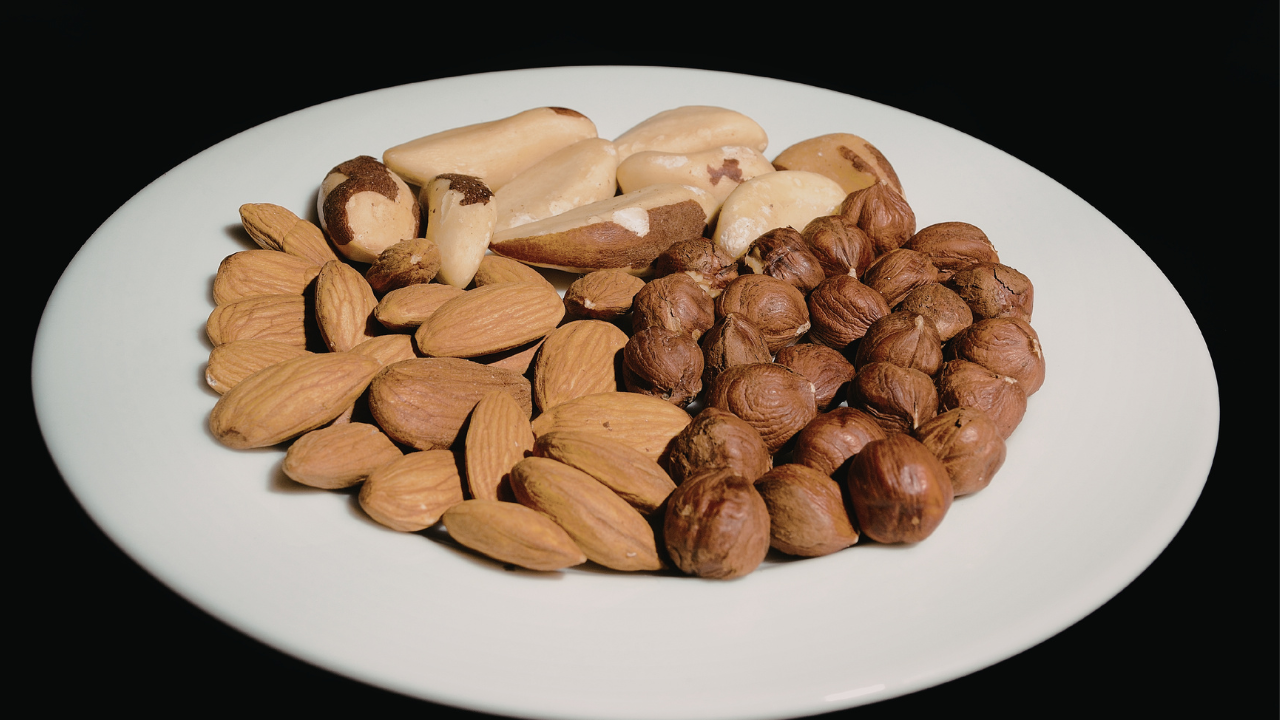
Step 4 — Light hydration before bed
Half a cup of water or herbal tea.
Not too much — just enough to reduce sodium retention.
Step 5 — Create an identity-based anchor
Say this out loud.
You might even feel stupid saying this.
This creates your vison, your identity.
“I am someone who respects my nighttime routine.”
Identity creates consistency.
Habits follow identity, not the other way around.
Step 6 — Track blood pressure morning and evening
Do this for 7 days.
This is not about judgment — it’s about feedback.
You will see:
- Lower nighttime readings
- Lower morning readings
- Better sleep
- Lower heart rate
Numbers create motivation.
Step 7 — Commit to 7 days only
Not 30 days.
Not forever.
Just seven.
Seven days is short enough to start, long enough to see results.
Your morning blood pressure starts dropping.
Your confidence rises.
Here is some background which is evidence based.
We know from multiple studies — that eating late at night raises nighttime blood pressure, eliminates the normal nighttime dip, increases cortisol and insulin levels, and forces the kidneys to retain sodium. Even small snacks can trigger this effect.”
Sources:
7 Small Changes That Made a Big Difference in Your Blood Pressure