

If you’re over 60,
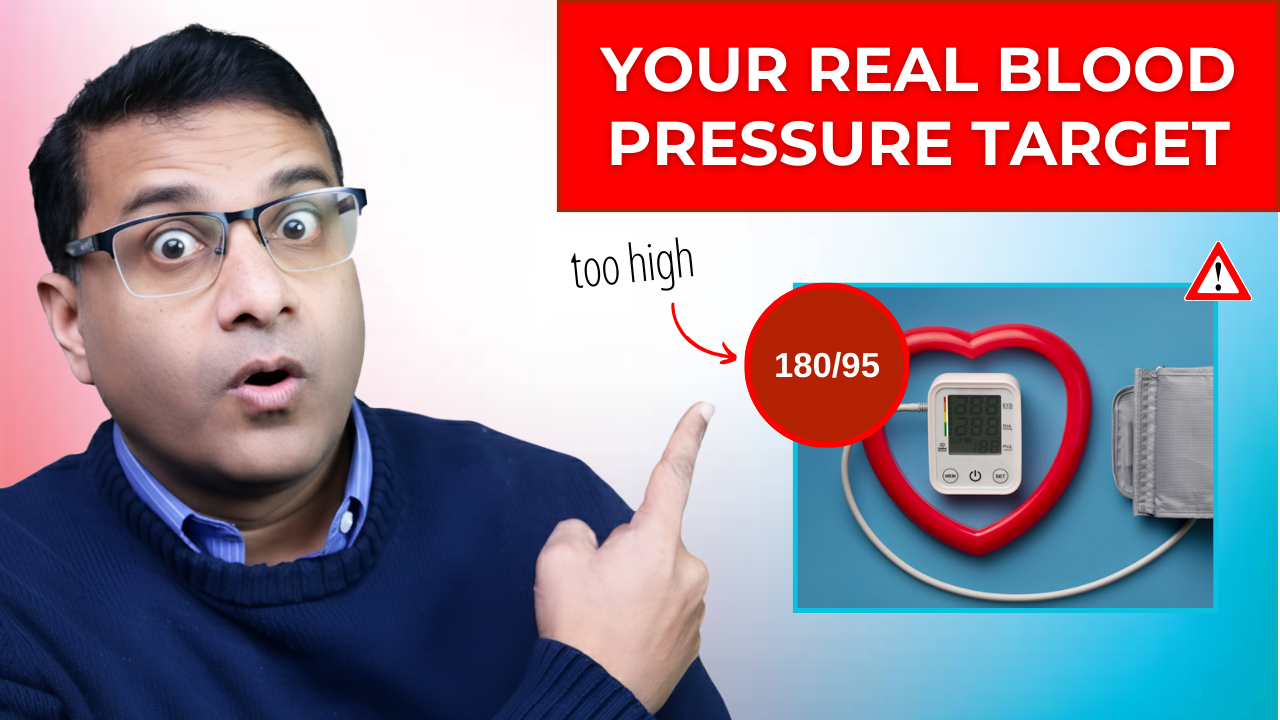
120 over 80 might actually be unsafe for you.
Let’s go step by step,
the same way I walk my patients through this in the clinic every week.
If you’re over 60,
I want you to hear this clearly.
The blood pressure goal you grew up with…
the famous 120 over 80…
does NOT always apply to you anymore.
And in some cases, forcing your blood pressure down to that number can actually be unsafe.
I’m going to walk you through exactly what your real blood pressure target should be at 60, 70, and even 80 years old.
We’ll talk about
WHY blood pressure behaves differently as you age,
WHAT the safest target truly is,
HOW medications and lifestyle changes work differently,
NOW — what warning signs you need to look for,
and NEXT — the exact question to ask your doctor
at your very next visit.
WHY This Matters
Let’s start with WHY this matters so much.
Because once you cross 60,
your blood pressure no longer behaves
the way it did when you were younger.
Your arteries change.
Your pressure sensors change.
Your medication tolerance changes.
Your risk of dizziness and falls changes.
Blood pressure becomes
a balancing act. Blood pressure in older adults
Is more about balance than perfection.
Too high —
and you increase your risk of stroke and heart disease.
Too low —
and you increase your risk of dizziness,
falls,
fractures,
and even decreased blood flow to your brain.
That’s why this matters.
We’re not chasing a “perfect” number.
We’re choosing a safe number —
the number that keeps you steady,
healthy,
and protected.
WHAT Should Your BP Be After Age 60?
This is where most of the confusion comes from.
Because you’ve probably seen three or four different answers about what your blood pressure should be
after age 60.
Let me simplify it
in a way that makes sense.
Two major guidelines exist.
The first is JNC-8.
This guideline says adults over 60 should aim for under 150 over 90.
The second is the ACC/AHA guideline.
This one says ALL adults should aim for under 130 over 80.
And I know —
those numbers look very different.
No wonder people feel confused.
Lets us take a deeper dive and compare both trials.
I promise only highlights, so that you can make an informed decision and you won’t fall asleep.
Why are the JNC-8 guidelines so relaxed?
Because older adults are more prone to:
- dizziness
- dehydration
- kidney sensitivity
- medication side effects
- falls
JNC-8 wanted to avoid over treatment.

The ACC/AHA guidelines came from trials like SPRINT, where lowering systolic BP reduced:
- strokes
- heart attacks
- cardiovascular deaths
But here’s the key:
SPRINT excluded many people with frailty, advanced diabetes, or frequent falls — the very people I see in clinic every day.
So the results don’t apply to everyone over 60.
 So which one should YOU follow?
Here is the truth:
The safest blood pressure target depends on your health, your fall risk, your frailty, and your medical conditions.
Let me break it down clearly.
If you’re generally healthy:
- You’re active.
- You’re independent.
- You don’t get dizzy easily.
- You don’t have major kidney issues.
- You’re not taking 12 or 15 medications.
Then your safest target is:Under 130 over 80.
This is where we see the strongest protection against stroke and heart disease.
If you’re frail or have multiple conditions:
This includes kidney disease, diabetes, neuropathy, unsteady balance, history of falls, cognitive decline, or polypharmacy.
If that sounds like you, then your safest target is:
Under 140 to 150 systolic.
In this group, pushing the blood pressure too lowcauses more harm than good.
The simple rule:
Healthy older adults → under 130
Frail older adults → under 140–150
Not too high.
Not too low.
Safe and individualized.
HOW Aging Changes BP
Now let me explain WHY blood pressure changes so much as we get older.
This part is extremely important,because once you understand it, everything becomes clearer.
I’ll explain 4 changes.
These happen you when you get older.
1.Your arteries stiffen.
When you’re young, your arteries are like new rubber hoses —
flexible and stretchy.
As you age, your arteries become stiffer they become more like stiff garden hoses.
They don’t expand the way they used to.
So your heart has to push harder, which raises the top number — your systolic pressure.
This is why older adults commonly see:
148 over 72,
152 over 70,
155 over 68.
This is called isolated systolic hypertension, and it’s extremely common.
2.Your diastolic number(bottom number) goes down.
Because stiff arteries snap back more quickly between beats, the bottom number —
your diastolic pressure —often drops.
So you might see 150 over 68 or 146 over 65.
This is normal for older arteries.
3.Your blood pressure sensors weaken.
Inside your neck are tiny pressure sensors called baroreceptors.
They help regulate your blood pressure when you stand up or change positions.
After age 60, these sensors slow down.
That’s why standing too quickly might make you dizzy. Or lightheaded. Or off balance.
If we push your blood pressure too low, these symptoms get even worse.
4.Your kidneys and medications respond differently.
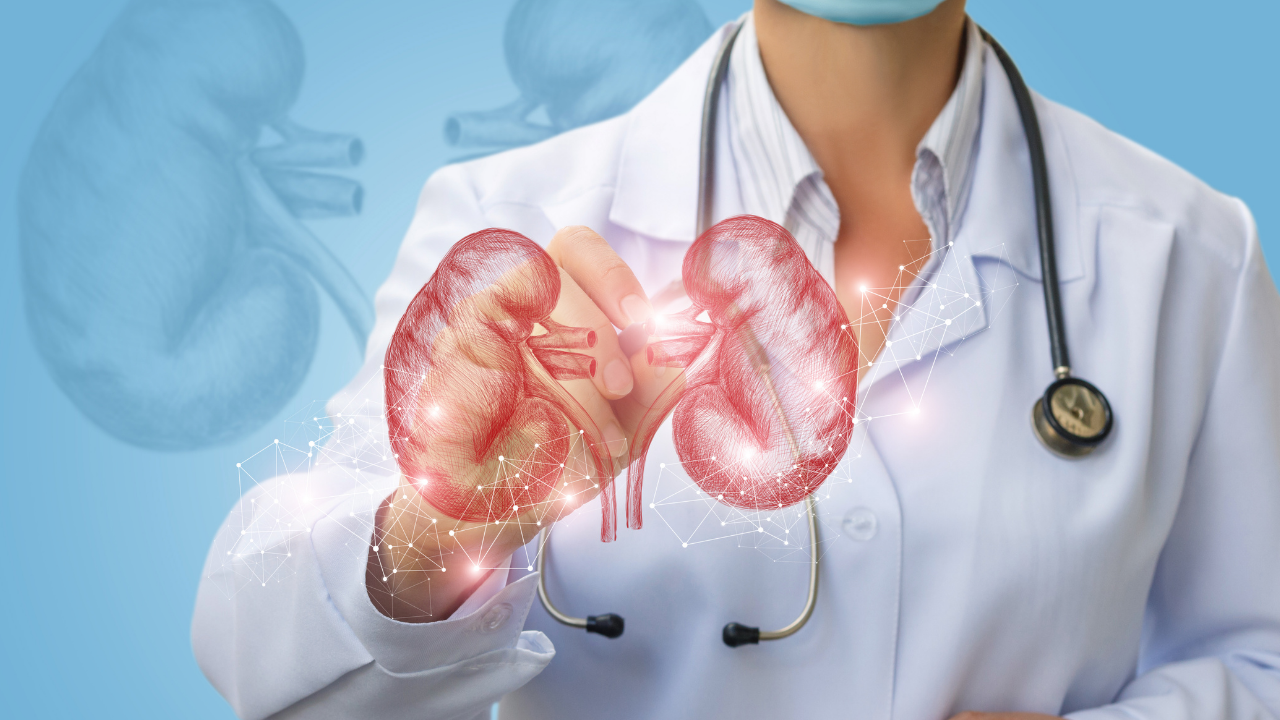
As you age, your kidneys clear medications more slowly.
Your liver processes them differently.
Your hydration levels change faster.
This makes older adults more sensitive to blood pressure medications.
It also explains why your pressure may swing from high in the morning to low at night.
Your body simply reacts differently than it did in your 30s or 40s.
🌿 HOW To Lower BP Naturally
Let’s talk about something even more important than medication.
Non-pharmacological, natural strategies can lower blood pressure JUST as well as medications —
and often more safely.
I always tell my patients: Move, move, move.
Lifestyle first. Medication second.
Here are ten strategies that make the biggest difference.
1.Lower your sodium intake.
This is the single most powerful natural step.
Cutting sodium often drops BP5 to 7 points —sometimes more.
Biggest hidden sources:
bread, canned soups, sauces, deli meats, restaurant food.
Goal:
Less than 2000 mg a day.
2.Increase potassium.
Potassium acts like a counterbalance to sodium.
It relaxes your arteries and helps your kidneys flush out excess salt.
Foods rich in potassium include: bananas, beans, spinach, tomatoes, lentils, potatoes.
If you have kidney disease, check with your doctor first.
3.Follow the DASH or Mediterranean diet.
These diets are backed by very strong evidence.
They can lower blood pressure by 5 to 11 points.
Think: whole foods, vegetables, olive oil, beans, nuts, fish.
4.Walk every day.
You don’t need intense workouts.
You don’t need a gym.
Just walk.
20 to 30 minutes a day can lower your systolic pressure by 5 to 8 points.
Movement is medicine.
It’s a free drug. You are in control
5.Maintain a healthy, steady weight.
You don’t need large weight loss.Even 5 to 10 pounds can make a noticeable difference.
6.Limit alcohol.
Alcohol raises blood pressure through dehydration and hormonal changes.
Less is always better for blood pressure.
7.Improve sleep — especially sleep apnea.

Sleep apnea is a hidden cause of stubborn high blood pressure.
If you snore, wake tired, or have morning headaches, you may need a sleep study.
8.Reduce stress.
Chronic stress raises blood pressure significantly.
Deep breathing,
meditation,
tai chi,
yoga,
prayer,
quiet time —
all help.
Just 10 minutes a day can shift your numbers.
9.Stay hydrated.

Dehydration raises blood pressure by tightening your arteries and increasing sodium levels.
Small amounts of fluid throughout the day help keep pressure steady.
10. Avoid substances that raise BP.
These include: NSAIDs like ibuprofen or naproxen, decongestants, certain herbal supplements, excess caffeine, and high-salt restaurant food.
Often,BP spikes come from daily habits you didn’t realize were affecting you.
💊 HOW To Use Medications Safely
Now let’s talk about medications —but gently and carefully.
Because medications help, but they must be used thoughtfully in older adults.
Best medications for older adults

Calcium channel blockers
Amlodipine, Nifedipine.
Great for stiff arteries.
Watch for side effects such as ankle swelling & constipation
Thiazide diuretics
Hydrochlorothiazide, chlorthalidone.
Very effective.
They reduce fluid retention
Your doctor need to monitor sodium and potassium.
ACE inhibitors and ARBs
Lisinopril, Losartan, Valsartan.
Protect kidneys and heart.
ACE inhibitors can cause cough.
If you interested in a detailed look at Lisinopril click right here.
Beta blockers
Metoprolol, carvedilol.Use only for heart disease, arrhythmias, or heart failure.
Not ideal for isolated systolic hypertension.
NOW — What You Should Watch For
There are three important warning signs that your blood pressure might actually be too low.
Let’s go through them.
⚠️ 1. Dizziness when standing.
If you stand up
and feel lightheaded or unsteady,
your BP may be dropping too much.
⚠️ 2. Morning readings under 100.
If your top number is 95 or 92 or 89 in the morning —
that’s too low for most adults over 60.
⚠️ 3. Fatigue, cold hands and feet, or brain fog.
These are signs your organs aren’t getting enough blood flow.
Remember:
We don’t want low numbers.
We want safe numbers.
NEXT — What To Do After Reading this Article:
1. Bring your home BP readings to your next appointment. **
2.Ask your doctor this question: “Based on my age and fall risk, what is the safest BP target for me?”
3. Don’t chase 120/80 unless it is appropriate for your age. **
4. If you feel dizzy or fatigued, tell your doctor immediately. **
If you want to see the video click right here.
Sources:
https://www.cdc.gov/high-blood-pressure/index.html